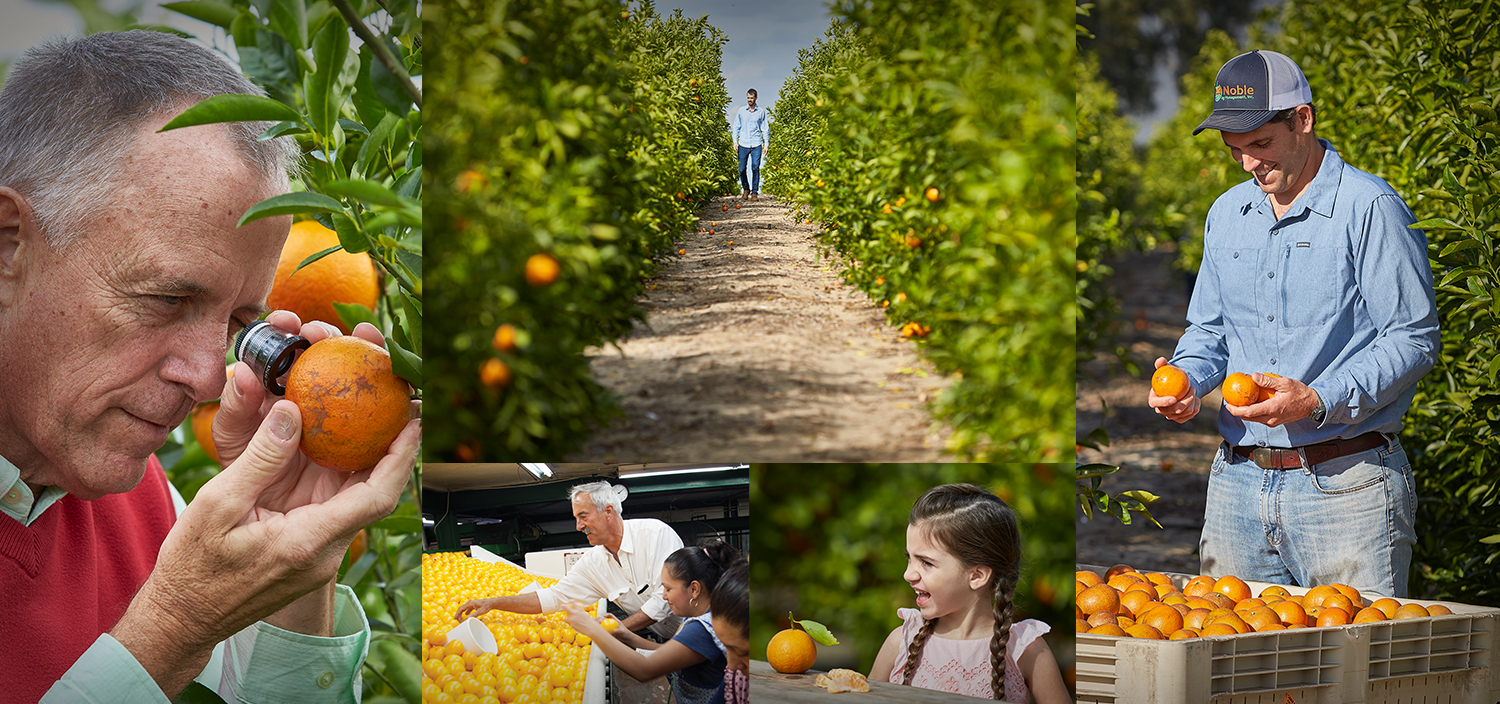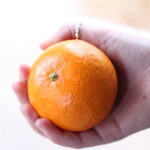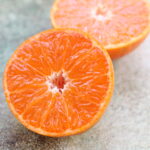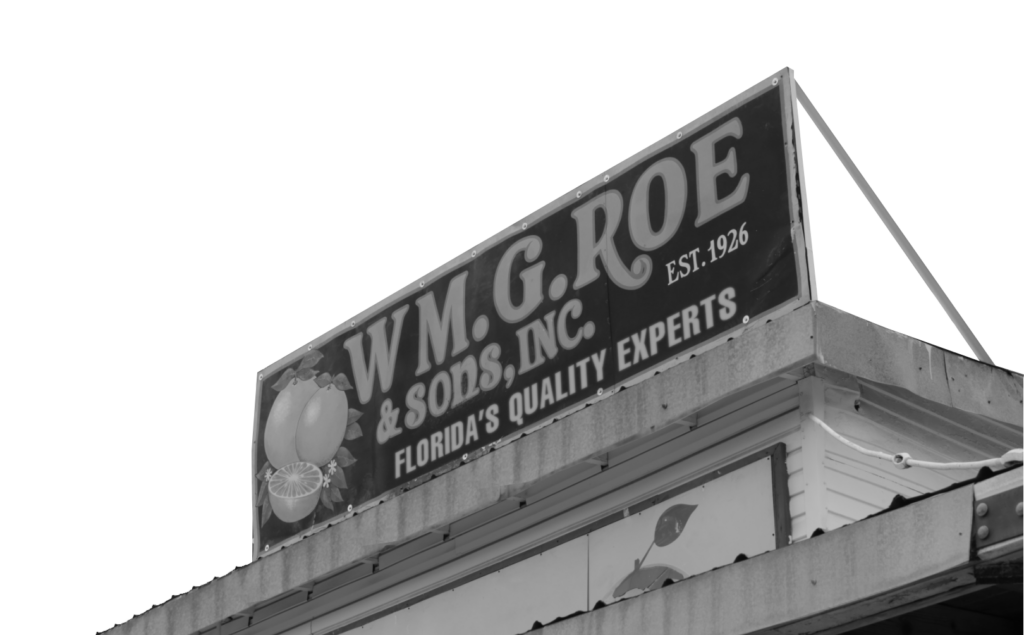
For nearly a century, Florida tangerines have evolved alongside the growers who dedicated their lives to perfecting them. Few families have been more closely connected to that history than the Roe family, with Wm. G. Roe & Sons established in 1926. Quentin Roe, President of Noble Citrus and a third-generation Florida grower, has spent decades overseeing and guiding work in the groves where many of Florida’s most important tangerine varieties were first planted, evaluated, and commercialized. From the earliest days of Florida’s citrus industry to today’s modern varieties, Quentin has witnessed firsthand how tangerines have changed, and how grower innovation, market demands, and disease pressures shaped each generation of fruit. This is the story of Florida tangerines over the past 100 years, told by someone who has lived decades of it—from the inside.
Florida Tangerine Varieties Over the Past 100 Years
Florida has long been blessed with an ideal climate for growing citrus. Sandy soils, a subtropical environment, and plentiful rainfall create the perfect conditions for producing high quality fruit.
While Florida is best known for oranges, supplying juice to major brands for more than 75 years, and for its world renowned east coast grapefruit, tangerines have quietly been a beloved specialty for over a century.
Most Florida tangerine varieties traditionally supplied the eastern United States, though some gained popularity as far west as California. Across generations, Florida tangerines have remained in high demand due to several defining characteristics:
- High juice content
- Easy peeling — Florida is where the term “zipper skin” originated
- Distinct flavor notes and aromatics unique to each variety
- Fun and enjoyable eating experience
Over the past 100 years, and before the varieties available today, five major tangerine varieties have defined Florida’s citrus landscape.
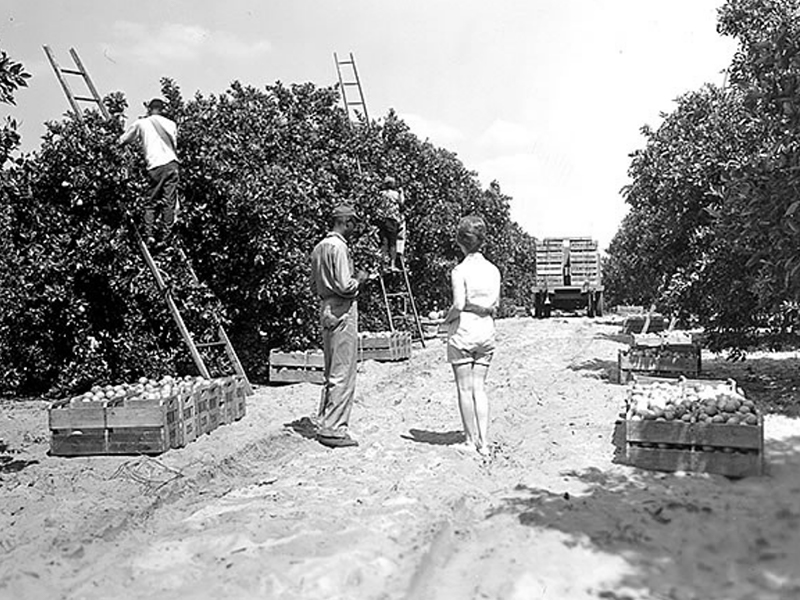
The Dancy Tangerine: Florida’s Original Christmas Tangerine
The Dancy tangerine is the oldest known tangerine variety in Florida. At its peak in the 1970s, more than 7 million 95 pound boxes were produced annually.
Harvested from mid November through January, the Dancy earned its reputation as “the Christmas tangerine” beginning in the early 1900s. When ripe, the fruit turned a bright red and delivered a true tangerine “zing” in both flavor and aromatics. Its peel came off easily and cleanly, though it did contain seeds, like most early varieties.
From a grower’s perspective, the Dancy was highly productive and produced maximum pounds per acre at an early age, making it economical to grow. For consumers across the eastern U.S., the Dancy was a holiday staple well into the early 1980s.
The Honey Tangerine: Sweet and Long Lasting
Developed in the 1950s, the Honey tangerine ripened later in the season, from late January through April. Its peel ranged from orange yellow to deep orange, and its high natural sugar content made it exceptionally sweet.
Though quite seedy, the Honey tangerine had excellent shelf life and traveled well, making California a major market for Florida-grown Honey tangerines. This variety remained popular until about 2010, when citrus greening disease ultimately wiped out the trees.
Robinson Tangerine: Early Season Favorite
Another product of the 1950s, the Robinson tangerine ripened in early October and featured fewer seeds than many Florida varieties. Its appealing flavor made it a consumer favorite.
However, Robinson tangerines produced smaller fruit and fewer boxes per acre, resulting in higher costs for growers. Despite that, strong consumer demand kept Robinsons in the market through the mid 2000s.
Fallglo Tangerine: Extending the Season
The Fallglo tangerine was heavily planted during the 1970s, 80s, and 90s. Ripening as early as mid September, it allowed Florida to start the tangerine season earlier than ever before.
While Fallglo was seedy and not the best eating experience, it delivered high yields per acre… something growers valued. This variety helped Florida offer tangerines from mid September through late April, until citrus greening eliminated it in the mid 2000s.
Sunburst Tangerine: The Modern Christmas Replacement
Introduced in the early 1980s, the Sunburst tangerine largely replaced the Dancy as Florida’s Christmas variety by the mid 1990s.
Bright red, durable, and attractive at retail, Sunbursts sold well with minimal shrink. Though still seedy, the variety produced strong yields and remained popular until citrus greening destroyed most production around 2010.
Minor Varieties and Hybrids That Had Their Moment
Over the years, growers tested numerous other varieties in search of the next breakout tangerine. While each showed promise, none achieved long term mainstream success:
- Orlando Tangelo – Difficult to peel, messy, never a consumer favorite
- Minneola Tangelo (Honey Bell) – Great flavor, iconic shape, poor handling and low yields
- Satsuma – Seedless and easy to peel, but inconsistent production and delicate
- Bingo, Pixie – Too small, low volume
- Sugar Belle – Soft, difficult to peel
- Clementine – Not suited to Florida’s environment
- Tango – Requires colder weather; better suited for California
- Early Pride – Low brix, poor shelf life
- Roe Tangerine – Excellent flavor and seedless, but fruit size made it costly to handle
Today’s Florida Tangerines: Best in Class Varieties
Modern Florida tangerines are selected to meet the needs of growers, retailers, and consumers alike. They offer exceptional flavor, easy peeling, long shelf life, minimal seeds, and consistent production.
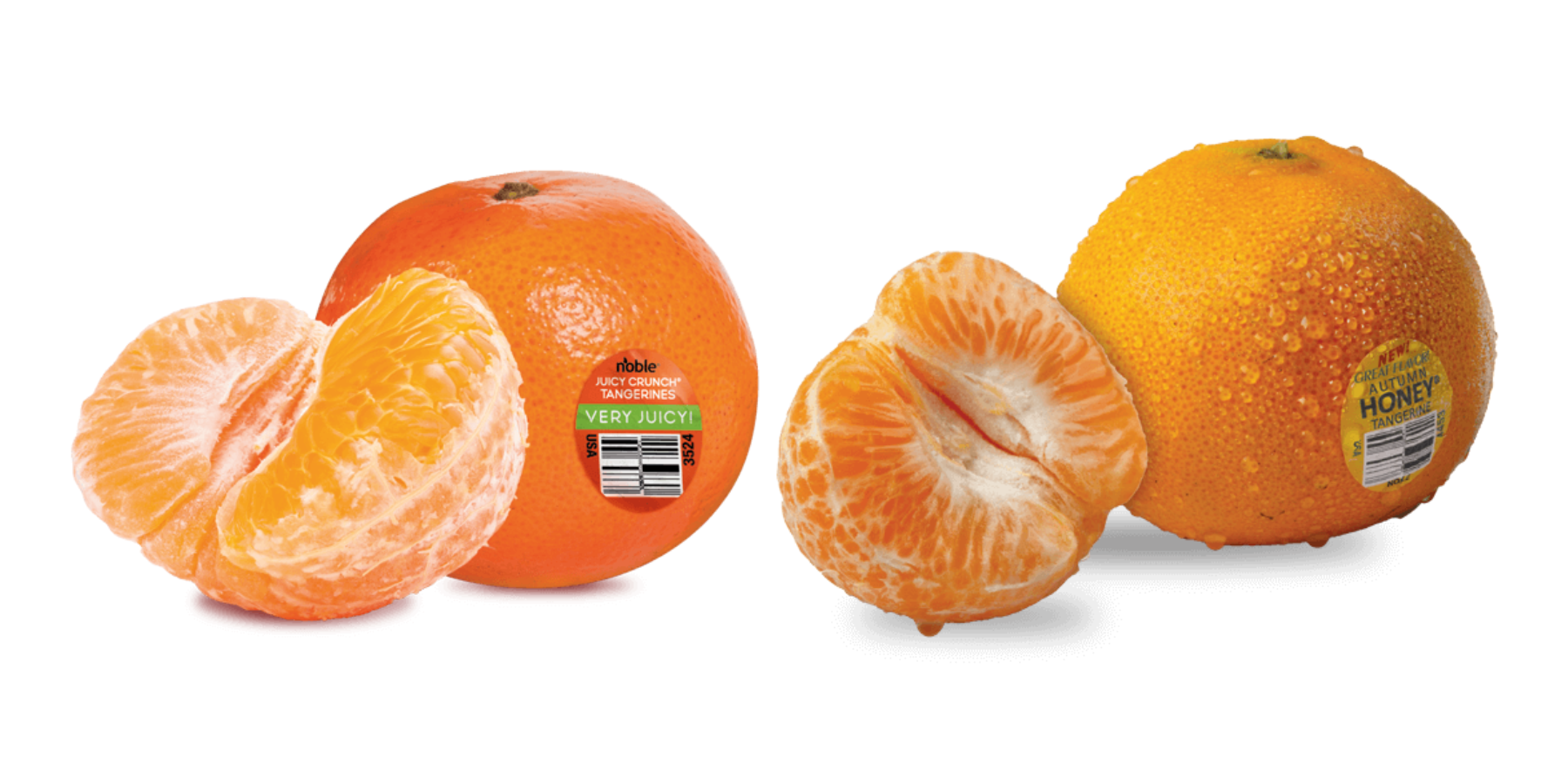
As demand shifted toward seedless, easy-peel fruit, the Roe family began a proprietary tangerine breeding program. Rare for a family as most breeding programs are undertaken only by big university or by state-led programs. It took nearly four decades. The result? Two breakthroughs: Autumn Honey and Juicy Crunch.
Noble Juicy Crunch
Widely regarded as the best tangerine in the world today, Noble Juicy Crunch is large, deeply colored, and extremely juicy. With high brix, balanced acidity, and rich aromatics, it delivers a standout eating experience. Ripening from late December through February, it performs exceptionally well throughout the supply chain.
Orri Tangerine
Originally developed in Israel, the Orri has gained worldwide popularity. Seedless, easy to peel, and delicious, it thrives in slightly cooler climates but continues to perform well in Florida. Available from early December through January.
Autumn Honey Tangerine
A large, durable tangerine with high brix and low acidity, the Autumn Honey delivers a unique flavor profile and excellent aromatics. Ripening from late November through December, it plays a critical role during the holiday season and produces strong yields for growers
Looking Ahead
Florida will continue planting tangerine acreage to fill both early and late season market windows. The goal remains the same as it has for generations: grow best in class varieties that delight consumers, perform for retailers, and remain profitable for growers.
— Quentin Roe, December 2025